
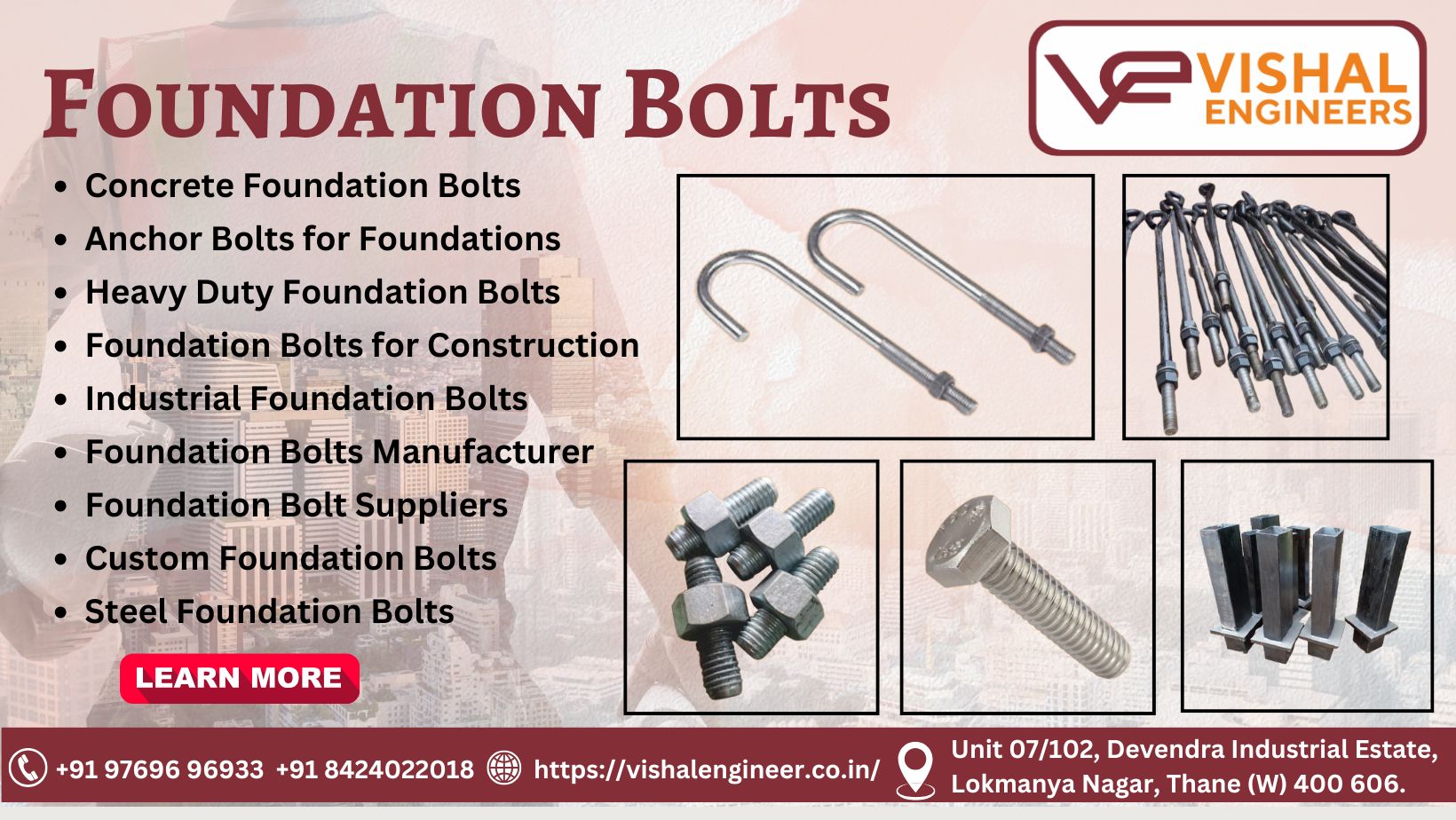
Anchor Bolts for Foundations
Introduction: Anchor bolts are essential fasteners used in construction, primarily for securing structural elements to concrete foundations. These bolts play a critical role in providing stability and strength to buildings, bridges, towers, and other structures. Whether you're constructing a commercial building or working on an industrial project, selecting the right anchor bolts for foundations is key to ensuring safety and durability. In this guide, we'll dive deep into the applications, features, and frequently asked questions about anchor bolts for foundations.
What Are Anchor Bolts for Foundations?
Anchor bolts are heavy-duty fasteners designed to secure structures or equipment to concrete or masonry foundations. Typically made of high-strength materials like steel, these bolts are embedded in the concrete during the curing process, providing a stable and permanent anchor point for structural components. They are used in a variety of construction projects to withstand high levels of tension and shear forces, ensuring the integrity and safety of the entire structure.
Key Features
-
High Strength and Durability
-
Anchor bolts are made of strong materials like carbon steel, stainless steel, or alloy steel, ensuring long-lasting performance even in harsh environments. Their strength makes them ideal for securing heavy loads.
-
-
Variety of Shapes and Sizes
-
Anchor bolts come in a wide range of shapes, such as L-shaped, J-shaped, and straight bolts, to cater to various types of applications. They are also available in different sizes and lengths to meet the requirements of specific projects.
-
-
Corrosion Resistance
-
To withstand exposure to moisture, chemicals, or extreme weather conditions, anchor bolts can be coated or made from corrosion-resistant materials like galvanized steel or stainless steel.
-
-
Threaded and Non-Threaded Types
-
Depending on the application, anchor bolts may be threaded (for securing nuts) or non-threaded (for use with mechanical anchors or embedded plates). Both types offer a reliable hold for various structural needs.
-
-
Design Flexibility
-
Anchor bolts can be custom-designed for specific construction requirements, such as those used for seismic and wind load resistance, ensuring the stability of tall structures, bridges, and towers.
-
-
Ease of Installation
-
Most anchor bolts are designed for easy installation into newly poured concrete or existing masonry. They can be installed either by casting them into place during the foundation pour or by using expansion anchors for retrofitting.
-
Applications
-
Building Foundations
-
Anchor bolts are commonly used in the foundations of buildings, especially for securing columns, walls, and beams. They ensure the structure stays firmly connected to the foundation.
-
-
Bridge Construction
-
In bridge construction, anchor bolts are used to attach bridge piers to their concrete bases, ensuring the bridge can withstand the loads and stresses placed on it during use.
-
-
Industrial Equipment and Machinery
-
Anchor bolts are widely used to secure heavy machinery, industrial equipment, and storage tanks to concrete floors, preventing movement and ensuring operational stability.
-
-
Towers and Telecommunications
-
For towers, including communication towers, wind turbines, and transmission towers, anchor bolts are essential for holding these structures in place against high winds and seismic forces.
-
-
Marine and Offshore Applications
-
Anchor bolts are often used in marine and offshore construction to secure structures like docks, piers, and oil platforms to the seabed or to concrete foundations.
-
-
Seismic and Wind Load Resistance
-
In areas prone to earthquakes or high winds, anchor bolts are used in the foundation to provide additional support and stability, ensuring that the structure can endure external forces.
-
Benefits
-
Enhanced Structural Stability: Anchor bolts provide a permanent and secure connection between the foundation and the structural components, preventing movement and ensuring long-term stability.
-
Resistance to Environmental Stress: Due to their high durability and resistance to corrosion, anchor bolts are ideal for use in harsh environments, including marine, industrial, and outdoor settings.
-
Cost-Effective and Durable: Once properly installed, anchor bolts are long-lasting and require minimal maintenance, offering a cost-effective solution for securing large structures.
-
Customizable for Specific Applications: Anchor bolts can be customized in terms of size, shape, and material to suit different structural needs, from light buildings to heavy industrial equipment.
FAQ
1. What materials are anchor bolts made from?
Anchor bolts are typically made from steel, stainless steel, or alloy steel, depending on the environment and load requirements. They can also be coated with materials like zinc to prevent corrosion and ensure longevity in outdoor or harsh environments.
2. How are anchor bolts installed in a foundation?
Anchor bolts are usually embedded in concrete foundations during the curing process. In some cases, existing foundations may require retrofitting with expansion anchors or post-installed anchor bolts for added strength.
3. Can anchor bolts be used for securing equipment to concrete floors?
Yes, anchor bolts are widely used to secure industrial equipment, heavy machinery, and storage tanks to concrete floors. These bolts are critical for preventing equipment movement, ensuring safety, and supporting weight.
4. What is the difference between cast-in-place and post-installed anchor bolts?
-
Cast-in-place anchor bolts are embedded into the concrete foundation during the pouring process.
-
Post-installed anchor bolts are drilled into existing concrete and anchored with expansion or chemical anchors. The choice depends on whether the foundation is being built from scratch or retrofitted.
5. Are anchor bolts suitable for seismic applications?
Yes, anchor bolts are commonly used in seismic applications to ensure that structures remain secure during earthquakes. They help resist horizontal forces caused by seismic activity and improve the overall stability of the building or infrastructure.
6. How do I choose the right anchor bolts for my project?
Selecting the right anchor bolts depends on several factors, including the load-bearing capacity, environmental conditions (corrosion resistance), the type of foundation (new or existing), and the type of structure you are securing. Consulting with an engineer can ensure the correct type of anchor bolts is chosen for your project.
7. How do I maintain anchor bolts?
Anchor bolts generally require minimal maintenance. Regular inspections should be conducted to ensure that no rust or damage has occurred, especially in corrosive environments. If any bolts are found to be damaged, they should be replaced promptly.
8. What is the lifespan of anchor bolts?
The lifespan of anchor bolts can vary depending on the material, environmental conditions, and installation. Generally, stainless steel or galvanized anchor bolts can last for decades, especially in outdoor or industrial settings, provided they are properly maintained.
Conclusion
Anchor bolts for foundations are integral components that ensure the stability and safety of buildings, bridges, towers, and machinery. Their versatility, strength, and long-lasting performance make them an essential part of the construction industry. By understanding the features, applications, and benefits of anchor bolts, you can make informed decisions when selecting the right solution for your next project.
Filter Using Product Tags
About Us
Vishal Engineers is an esteemed engineering company that excels in design, construction, and project management. With over two decades of experience, we specialize in delivering innovative solutions across diverse sectors such as infrastructure, energy, and manufacturing. Our dedicated team of professionals ensures timely project completion while adhering to the highest quality standards and budget constraints. We prioritize client satisfaction through transparent communication and collaborative approach. From conceptualization to execution, Vishal Engineers stands as a trusted partner in turning ambitious ideas into reality, contributing to the advancement of engineering excellence.
Get Connected With Us:
Request a Quote
Fill all information details to consult with us to get sevices from us
Get in touch
You will find yourself working in a true partnership that results in an incredible experience, and an end product that is the best.
 Inquiry